Memorial Orthopedic Surgery: Why the Right Specialist Matters
When you injure your hand, wrist, elbow, or shoulder, it affects nearly everything you do. Typing, driving, cooking, lifting your kids, swinging a golf club, or even buttoning a shirt can suddenly become painful or impossible. Choosing the right doctor can make a real difference in how well and how quickly you recover.
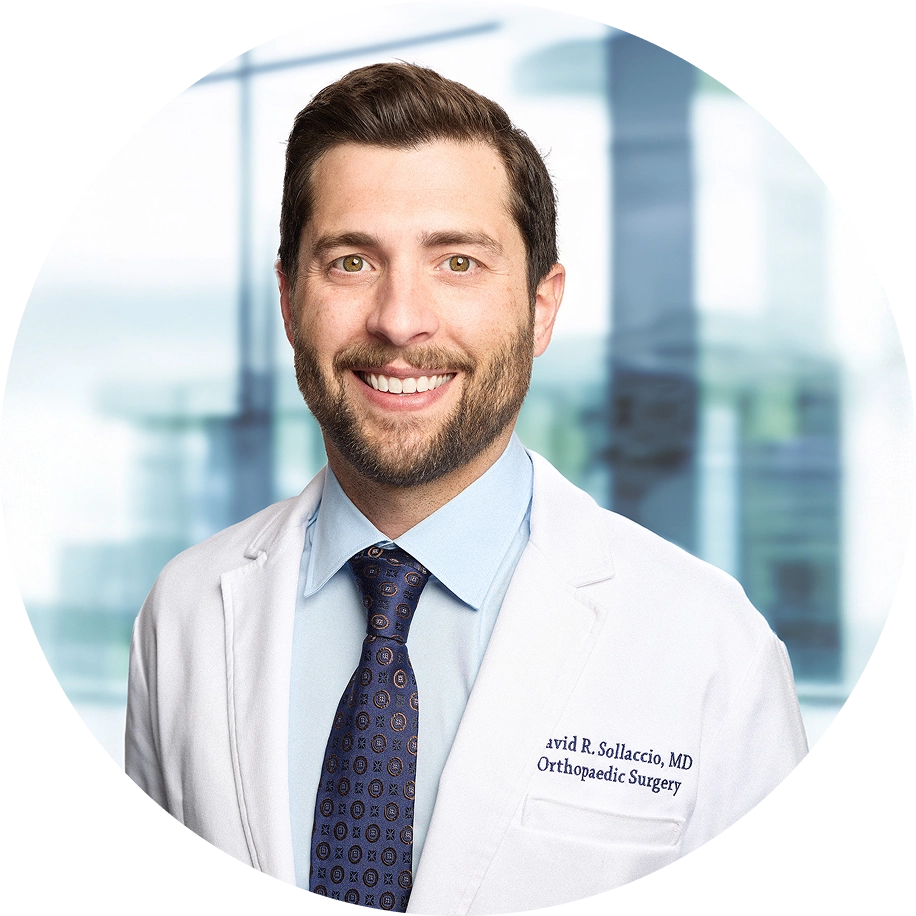
Learn what sets hand and upper extremity care apart, which everyday injuries and conditions are most common among Memorial-area patients, which injuries need prompt attention, and what to expect when you visit Dr. David R. Sollaccio, a Memorial orthopedic surgeon who focuses his practice on the hands and upper extremities.
Personalized Orthopedic Care in Memorial, TX
Dr. Sollaccio sees patients at his Memorial office on the Katy Freeway, convenient for residents of the Memorial Villages, Memorial City, Spring Branch, and the Energy Corridor. He trained at the University of Miami Miller School of Medicine, the University of Florida College of Medicine, and the USC Keck School of Medicine. His practice centers on the hand, wrist, elbow, and shoulder, with advanced skills in fracture care, ligament and tendon repair, nerve compression, and arthritis management.
Why the Hand & Upper Extremity Need Specialized Care
The hand and arm are among the most complex structures in the body. The hand and wrist alone contain dozens of bones, joints, tendons, and ligaments, along with a network of nerves and blood vessels packed into a small space. These structures work together to produce both powerful grip and delicate, precise movements.
Because everything is so closely connected, a seemingly small injury can affect strength, sensation, and dexterity. A cut that damages a tendon, a wrist fracture that heals slightly out of alignment, or a compressed nerve left untreated can lead to lasting stiffness, weakness, or numbness.
An orthopedic surgeon who focuses on the upper extremity treats these conditions every day. That focused experience helps with accurate diagnosis, careful treatment planning, and techniques designed to protect function and minimize scarring, from the fingertips to the shoulder.
Everyday Causes of Hand, Wrist, Elbow & Shoulder Problems
Upper extremity conditions often trace back to the routines of daily life:
Long hours at a desk. Many Memorial-area professionals spend their days typing and using a mouse. Repetitive motion and sustained wrist positions can contribute to carpal tunnel syndrome, cubital tunnel syndrome, and tendinitis, with symptoms like numbness, tingling, and aching in the hands and forearms.
Sports and active hobbies. Golf, tennis, pickleball, weightlifting, and baseball place repeated stress on the elbow and shoulder. Tennis elbow, golfer’s elbow, ligament injuries, and rotator cuff problems are common among active adults and young athletes alike.
Falls. Instinctively putting out a hand to catch yourself is one of the most common causes of wrist fractures and elbow injuries, especially for older adults and children.
Home projects and yard work. Kitchen knives, power tools, and gardening equipment can cause cuts that damage tendons or nerves, while heavy lifting can strain or tear tendons in the elbow and shoulder.
Age and arthritis. Over time, wear on the joints can lead to arthritis at the base of the thumb, in the fingers, or in the elbow and shoulder, causing pain, stiffness, and reduced grip strength.
When It’s Time to See an Orthopedic Specialist
Schedule an appointment if you have:
- Pain that lasts more than a few weeks or keeps returning
- Numbness, tingling, or weakness in your hand or fingers, especially at night
- A finger that catches, locks, or clicks when you bend it
- Swelling, stiffness, or reduced range of motion
- Weak grip or difficulty with everyday tasks
Seek prompt care for injuries that can’t wait. Some upper extremity injuries are time-sensitive. Suspected fractures and dislocations, cuts that leave you unable to bend or straighten a finger, new numbness after an injury, and signs of infection such as spreading redness, warmth, and swelling should be evaluated quickly. Cut tendons and nerves, for example, are often best repaired soon after the injury. For urgent hand, wrist, and elbow injuries, Fondren Orthopedic Group offers same-day and urgent-care visits.
Go to the emergency room or call 911 for heavy bleeding that won’t stop, a bone that’s broken through the skin, fingers that are cold, pale, or blue, or severe pain and tightness that keeps worsening after a crush injury. These can be signs of serious conditions that require immediate treatment.
A Conservative-First Approach & What to Expect
Not every orthopedic problem requires surgery. For many conditions, Dr. Sollaccio starts with nonsurgical options such as splinting or bracing, activity changes, therapy, medication, and injections. When surgery is the best path, whether to repair a fracture, release a compressed nerve, fix a torn tendon, or relieve arthritis pain, he explains the options, expected recovery, and goals so you can make an informed decision.
At your first visit, Dr. Sollaccio will review your symptoms and medical history, examine your hand, arm, or shoulder, and evaluate any imaging. Bring a photo ID, insurance information, a list of medications, any previous X-rays, MRIs, or reports, and a referral letter if you have one. You’ll leave with a clear understanding of your diagnosis and a treatment plan tailored to your goals, whether that’s returning to work, getting back on the court, or simply doing everyday tasks without pain.
Schedule an Appointment With a Memorial Orthopedic Surgeon
If pain, numbness, stiffness, or an injury is affecting your hand, wrist, elbow, or shoulder, Dr. David R. Sollaccio is here to help you move comfortably again. He sees patients at his Memorial office at 8731 Katy Freeway in Houston, along with other Fondren Orthopedic Group locations across the Houston area.