What to Expect From Hand, Elbow, & Shoulder Surgery
Hearing that you may need surgery on your hand, wrist, elbow, or shoulder can feel overwhelming. You may wonder whether surgery is really necessary, what the procedure involves, how long recovery will take, and when you’ll be able to work, drive, or play sports again. Having clear answers makes the process far less stressful.
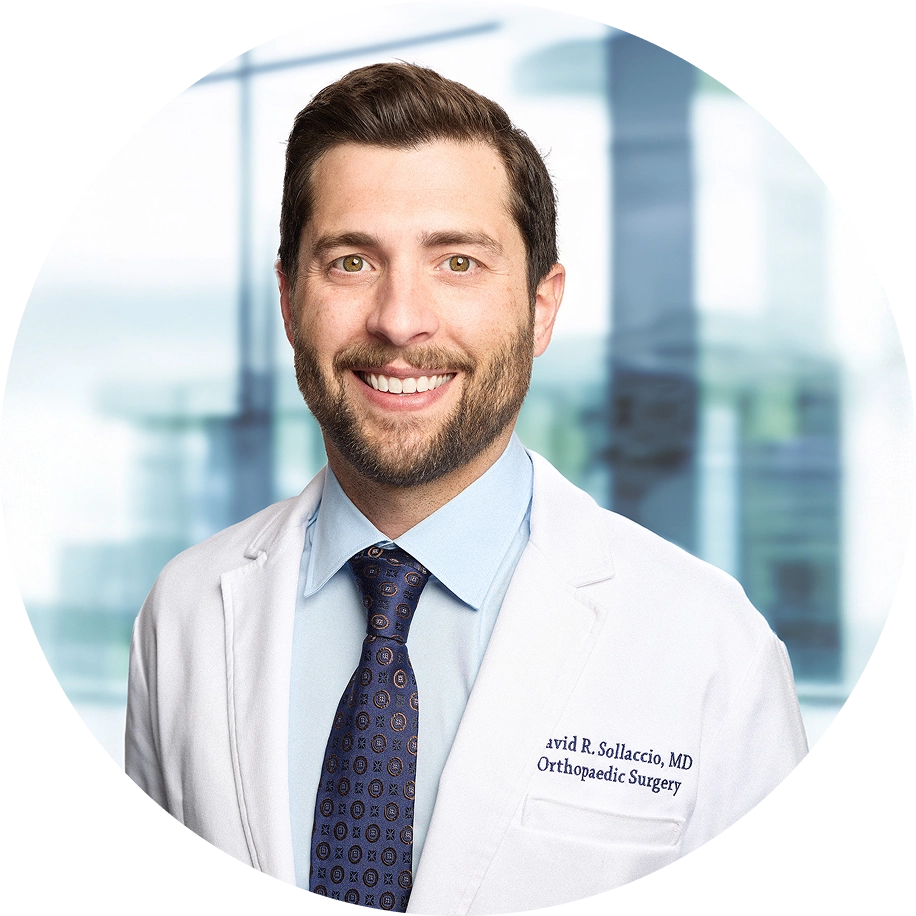
This guide walks you through the surgical journey, from deciding whether surgery is right for you to preparing for your procedure and recovering afterward. It’s written for patients of Dr. David R. Sollaccio, a Houston orthopedic surgeon who specializes in the hand and upper extremity, and for anyone in the Houston area weighing their treatment options.
Hand & Upper Extremity Care Across Houston, TX
Dr. Sollaccio practices with Fondren Orthopedic Group, seeing patients at the group’s Main Street location near the Texas Medical Center. This location also offers same-day and urgent-care visits for acute injuries such as fractures and sprains.
Trained at the University of Miami Miller School of Medicine, the University of Florida College of Medicine, and the USC Keck School of Medicine, Dr. Sollaccio focuses on conditions from the shoulder to the fingertips. His approach emphasizes patient education, so you understand your diagnosis and every option before making a decision.
Deciding Whether Orthopedic Surgery Is Right for You
Many hand, elbow, and shoulder conditions improve without surgery. Splints, braces, activity changes, therapy, medications, and injections are often the first line of treatment. Surgery may be recommended when:
- Conservative treatment hasn’t relieved your symptoms
- A fracture is displaced or unstable and unlikely to heal properly on its own
- A tendon, ligament, or nerve has been cut or torn
- A compressed nerve is causing persistent numbness or muscle weakness
- Arthritis or joint damage is significantly limiting your daily activities
Before deciding, it helps to ask your surgeon a few key questions: What happens if I wait or don’t have surgery? What are my nonsurgical options? What does the procedure involve? What will recovery look like, and when can I return to work and normal activities? A good surgeon will welcome these questions and help you weigh the benefits and risks.
Common Orthopedic Issues & Surgeries
Carpal tunnel release. The surgeon divides the ligament forming the roof of the carpal tunnel to relieve pressure on the median nerve, which can ease numbness, tingling, and weakness in the hand.
Trigger finger release. A tight section of the tendon sheath at the base of the finger or thumb is opened so the tendon can glide smoothly without catching or locking.
Wrist and elbow fracture surgery. When broken bones are out of alignment or unstable, plates, screws, or pins can hold them in the correct position while they heal.
Tendon repair. Cut or torn tendons in the fingers, hand, or elbow, including the distal biceps tendon, are stitched or reattached to restore movement and strength.
Cubital tunnel release. Pressure is taken off the ulnar nerve at the elbow to relieve numbness and tingling in the ring and small fingers.
Thumb arthritis surgery. For painful arthritis at the base of the thumb, surgery can remove or reshape the worn joint surfaces to reduce pain and improve function.
Rotator cuff repair. Torn shoulder tendons are reattached to the bone, often using minimally invasive arthroscopic techniques.
Many hand and wrist procedures are performed on an outpatient basis, meaning you can go home the same day.
Preparing for Orthopedic Surgery
A little planning makes recovery easier:
- Follow your pre-op instructions. Your care team will tell you when to stop eating and drinking and whether to pause any medications, such as blood thinners. Don’t stop or change medications on your own.
- Arrange a ride. Plan for someone to drive you home and, ideally, stay with you for the first day.
- Prepare for one-handed living. Set out easy-to-open containers, loose clothing with simple fasteners, and slip-on shoes. Pre-cut meals and keep everyday items within easy reach.
- Plan time away from work. Ask how long you’ll need off, and whether you can return with limited duties.
- Ask about therapy. Many upper extremity procedures are followed by hand or physical therapy, so it helps to schedule early.
Orthopedic Surgery Recovery & Physical Therapy
Recovery depends on the procedure, the severity of the condition, and your overall health. Some patients return to light daily activities within days, while more complex repairs can take several months to heal fully.
In the first days after surgery, keeping your hand or arm elevated above your heart helps control swelling and discomfort. You may wear a dressing, splint, or sling to protect the repair. Follow your surgeon’s instructions about wound care, keeping the area dry, and which movements are safe.
Therapy is often a key part of a successful outcome. Certified hand therapists and physical therapists guide you through exercises that restore motion, strength, and coordination while protecting healing tissues. Sticking with your therapy program helps prevent stiffness and gets you back to your normal activities sooner.
Call your surgeon’s office promptly if you notice fever or chills, increasing pain or swelling that isn’t improved by elevation and medication, spreading redness or warmth, drainage from the incision, new or worsening numbness, or fingers that look pale, blue, or feel cold. For severe symptoms, seek emergency care.
Meet With a Houston Orthopedic Surgeon
Whether you’re exploring treatment options or preparing for a procedure, Dr. David R. Sollaccio will take the time to answer your questions and build a plan around your goals. He sees patients at Fondren Orthopedic Group’s Main Street location at 7401 Main Street in Houston.