Do You Need Surgery? Understanding Shoulder & Elbow Pain
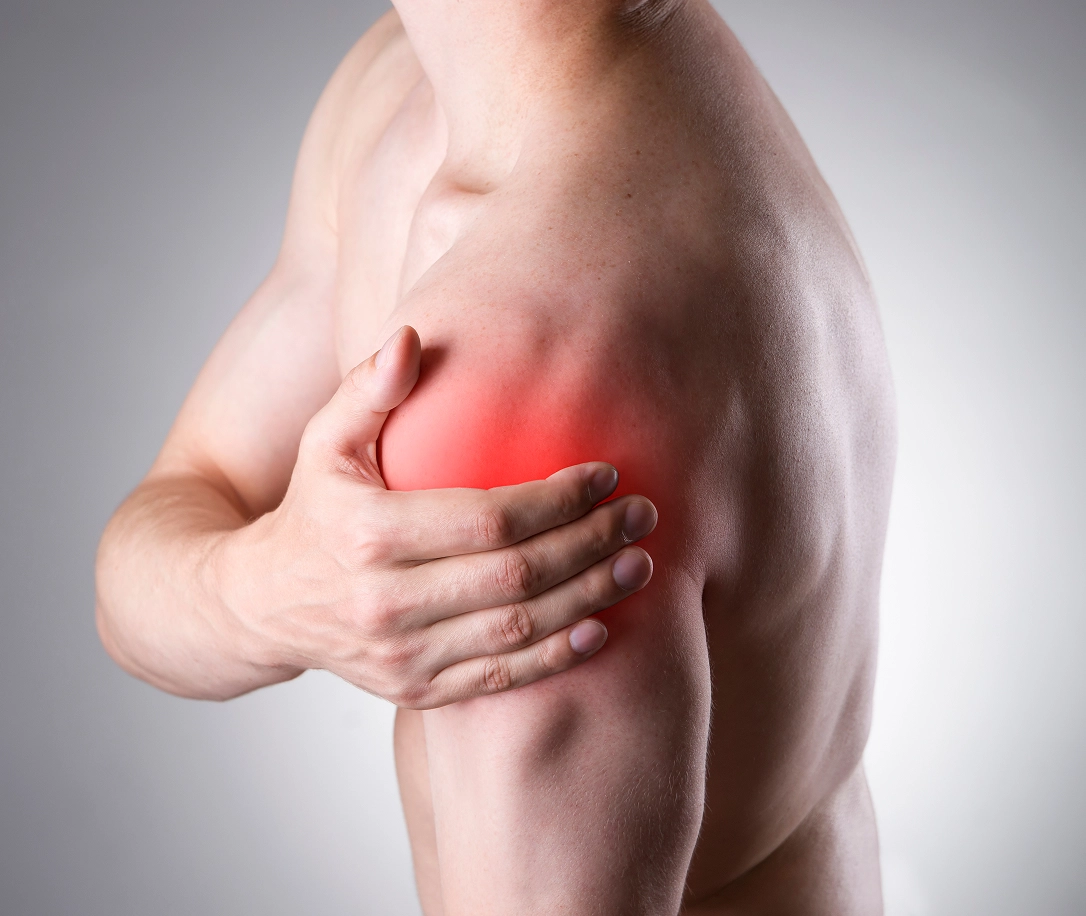
Shoulder and elbow pain can creep into every part of your day. Reaching for a high shelf, carrying groceries, sleeping on your side, throwing a ball, or lifting your child can suddenly become difficult. Because the shoulder and elbow work together to position and power the hand, a problem in either joint can affect almost everything you do with your arm.
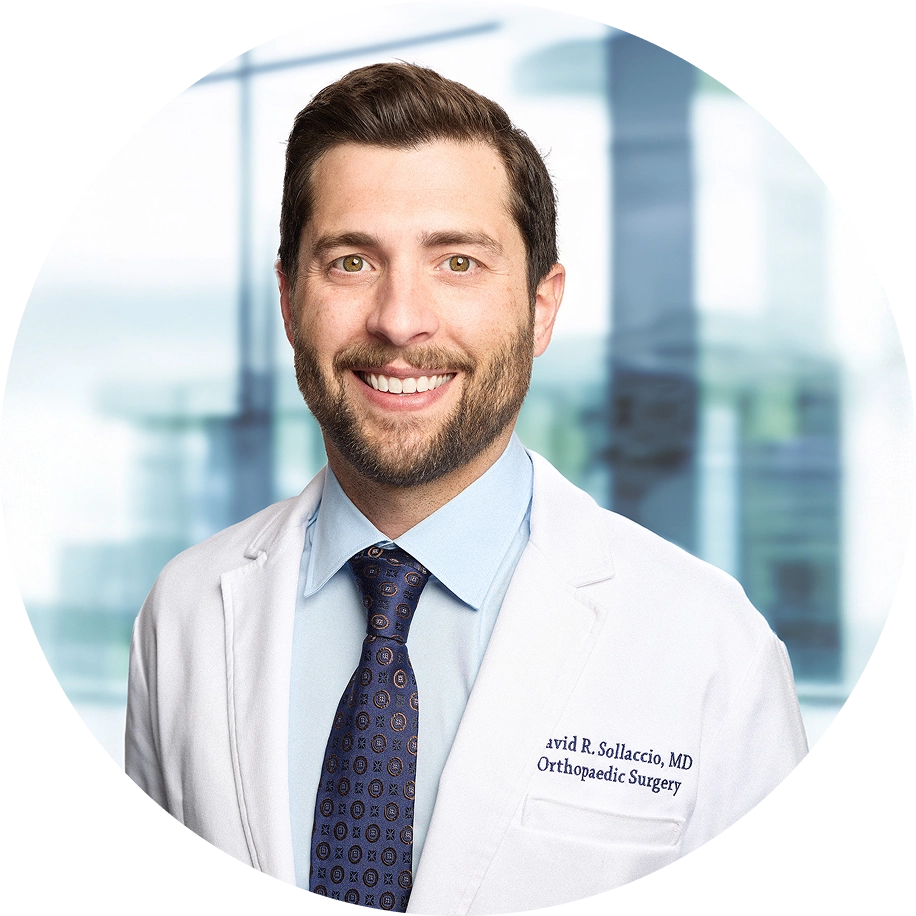
This guide explains how the shoulder and elbow work, the conditions that most often cause pain, the warning signs that need prompt attention, and the treatment options available. It’s written for Katy residents looking for an orthopedic surgeon who specializes in the upper extremity: Dr. David R. Sollaccio.
Book an Appointment With a Katy Orthopedic Surgeon
Katy has grown into one of the most active family communities in the region, known for its competitive youth and high school sports, sprawling neighborhoods, and busy weekend schedules. Whether you’re a parent coaching Little League, a weekend golfer, or someone who spends long days at a desk, your shoulders and elbows put in plenty of work.
Dr. Sollaccio practices with Fondren Orthopedic Group and sees patients at offices a short drive from Katy. When you call, the scheduling team can help you find the most convenient location and appointment time. Trained at the University of Miami Miller School of Medicine, the University of Florida College of Medicine, and the USC Keck School of Medicine, he focuses on conditions from the shoulder to the fingertips.
How the Shoulders & Elbows Work
The shoulder is the most mobile joint in the body. It’s a ball-and-socket joint, but the socket is shallow, so the shoulder relies on a group of four muscles and tendons called the rotator cuff, along with ligaments and a ring of cartilage, to keep the ball centered while you lift, reach, and rotate. That incredible range of motion comes at a cost: the shoulder is prone to wear, strain, and instability.
The elbow is a hinge that lets you bend and straighten your arm, and it also allows the forearm to rotate so you can turn your palm up and down. The tendons of the forearm muscles that control your wrist and fingers attach at the elbow, which is why gripping and lifting can cause elbow pain. Important nerves, including the ulnar nerve, pass close to the surface of the elbow, making them vulnerable to pressure and injury.
Shoulder Problems That May Require an Orthopedic Surgeon
Rotator cuff tendinitis and tears. The rotator cuff tendons can become inflamed from overuse or tear from a fall or gradual wear. Symptoms include aching on the outside of the shoulder, pain when reaching overhead or behind your back, weakness, and pain that wakes you at night.
Impingement and bursitis. When the rotator cuff tendons and the fluid-filled bursa above them get pinched during overhead motion, they become irritated and swollen, causing pain with lifting and reaching.
Instability and dislocation. A fall or forceful twist can push the ball of the shoulder out of the socket. After a dislocation, some people develop ongoing instability, with the shoulder feeling loose or slipping out of place again.
Frozen shoulder. Also called adhesive capsulitis, this condition causes the lining of the shoulder joint to thicken and tighten, leading to gradually worsening pain and stiffness. It’s more common in people with diabetes and in middle age.
Shoulder arthritis. Wear of the cartilage in the shoulder joint causes deep aching, stiffness, grinding, and difficulty with everyday movements.
Elbow Problems That May Require an Orthopedic Surgeon
Tennis and golfer’s elbow. Repeated gripping and lifting can strain the tendons that attach on the outside (tennis elbow) or inside (golfer’s elbow) of the elbow, causing pain that worsens when you grip, twist, or carry.
Cubital tunnel syndrome. Pressure on the ulnar nerve at the elbow causes numbness and tingling in the ring and small fingers, often worse at night or after keeping the elbow bent for long periods.
Distal biceps tendon tears. Lifting something heavy with a bent elbow can tear the biceps tendon from the forearm bone. Patients often feel a pop, followed by bruising, a change in the shape of the upper arm, and weakness turning the palm up.
Elbow arthritis and stiffness. Previous injuries, inflammatory arthritis, and wear can cause pain, grinding, and difficulty fully bending or straightening the elbow.
Elbow bursitis. Swelling over the tip of the elbow can develop after leaning on hard surfaces, a direct blow, or infection. Redness, warmth, and fever can signal an infected bursa that needs prompt care.
Diagnosis, Treatment & When to Seek Professional Orthopedic Care
Finding the cause. Shoulder and elbow pain can come from tendons, ligaments, cartilage, nerves, or even the neck. Dr. Sollaccio reviews your symptoms, examines your strength and range of motion, and uses X-rays or MRI when needed to pinpoint the problem.
Treatment options. Many shoulder and elbow conditions improve with rest, activity changes, bracing, physical therapy, anti-inflammatory medications, and injections. When conservative care doesn’t help, or when a tendon is torn or a joint is unstable, surgery such as rotator cuff repair, biceps tendon repair, nerve release, or joint replacement may restore strength and function.
Schedule a visit for pain lasting more than a few weeks, night pain, weakness, stiffness, or numbness in your fingers.
Seek prompt care from a Katy orthopedic surgeon for a shoulder or elbow that looks deformed or won’t move after a fall, a sudden pop followed by weakness, or a red, hot, swollen elbow with fever. Call 911 for chest pain or pressure that spreads to the shoulder or arm, which can signal a heart attack.