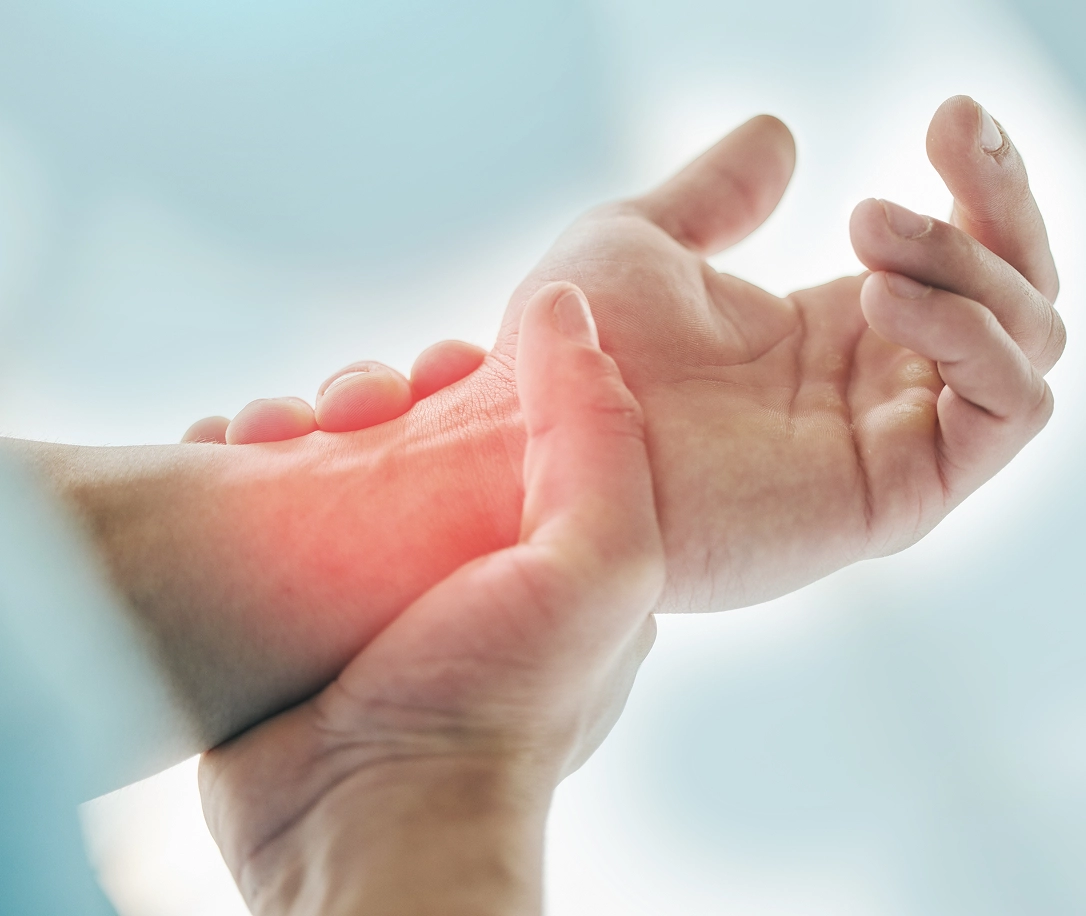
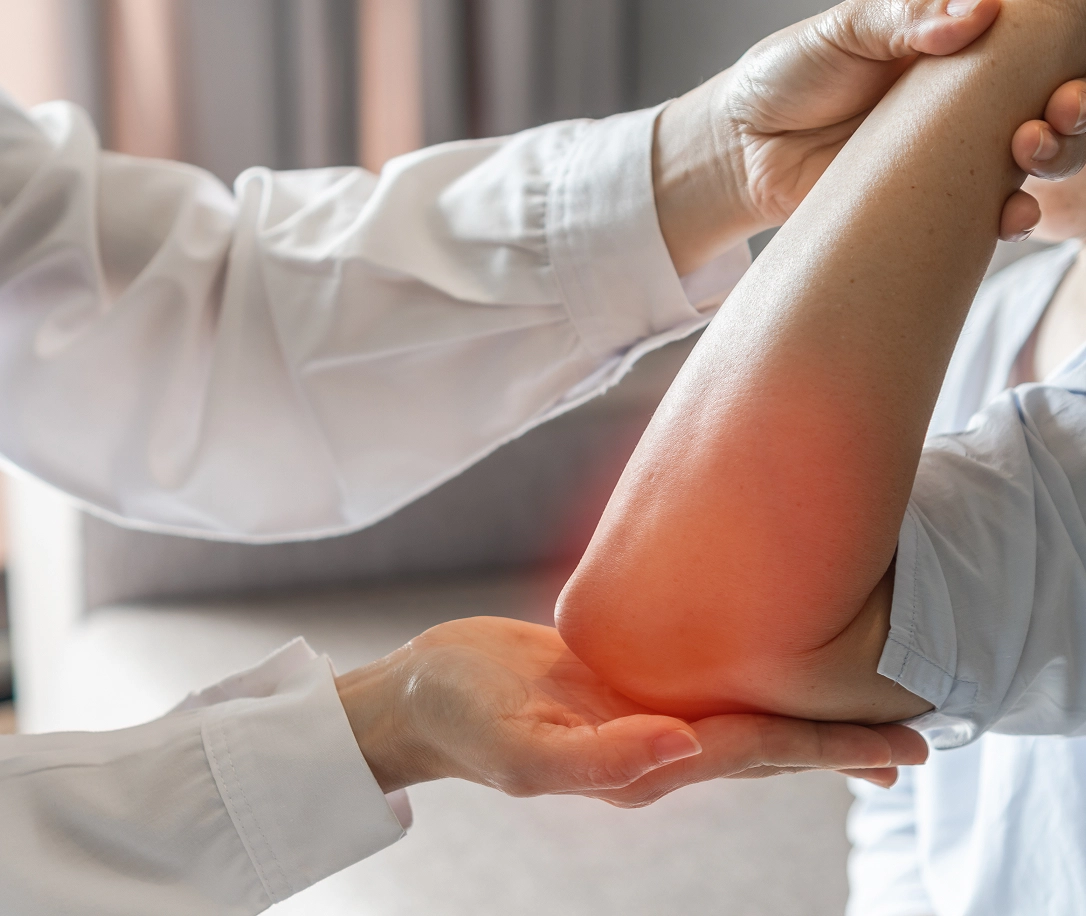
Clear Lake Orthopedic Surgery: Tendon & Ligament Problems in the Hand & Wrist
Every time you grip a steering wheel, type an email, cast a fishing line, or tie a boat line, dozens of tendons and ligaments in your hand and wrist work together to make it happen. Tendons connect muscles to bones and move your fingers and wrist. Ligaments connect bones to each other and keep joints stable. When either one is irritated, stretched, or torn, even simple tasks can become painful or difficult.
This guide explains the most common tendon and ligament problems of the hand and wrist, how they’re treated, and which injuries need prompt attention. It’s written for Clear Lake residents looking for an orthopedic surgeon who specializes in the hand and upper extremity: Dr. David R. Sollaccio.
Specialized Orthopedic Care in Clear Lake, TX
Dr. Sollaccio’s office is conveniently located for residents near Nassau Bay, Seabrook, Kemah, and the surrounding Bay Area communities, from engineers and professionals near the Johnson Space Center to boaters, anglers, and families who enjoy life on the water.
He practices with Fondren Orthopedic Group and trained at the University of Miami Miller School of Medicine, the University of Florida College of Medicine, and the USC Keck School of Medicine. His focuses are on the hand, wrist, elbow, and shoulder, with advanced skills in fracture care, tendon and ligament repair, nerve compression, and arthritis management.
Tendon Conditions That May Require an Orthopedic Surgeon
Tendons glide through smooth tunnels called sheaths as your fingers and wrist move. When a tendon or its sheath becomes inflamed or thickened, that gliding motion becomes painful or restricted.
- Trigger finger. Thickening of the tendon sheath at the base of a finger or thumb can cause the tendon to catch as it moves. Symptoms include clicking, catching, or locking when you bend or straighten the finger, along with a tender bump in the palm. It’s more common in people with diabetes and in those who grip tools or equipment frequently.
- De Quervain’s tenosynovitis. This condition affects two tendons along the thumb side of the wrist, causing pain when gripping, pinching, lifting, or turning the wrist. It often affects new parents who repeatedly lift a baby and people whose work or hobbies involve repetitive thumb motion.
- Wrist tendinitis. Overuse from typing, racquet sports, rowing, fishing, or lifting can irritate the tendons around the wrist, causing aching, swelling, and sometimes a creaking sensation with movement.
Tendon Injuries That May Require an Orthopedic Surgeon
- Cut tendons. Knives, glass, fillet knives, boat hardware, and tools can cause cuts that reach the tendons beneath the skin. If you can’t fully bend or straighten a finger after a cut, a tendon may be damaged. Numbness beyond the wound can also signal a nerve injury. Cut tendons don’t heal properly on their own and are often best repaired soon after the injury.
- Mallet finger. A blow to the tip of a straightened finger, such as from a ball or catching it on a line, can injure the tendon that straightens the fingertip, leaving it drooping. Most cases are treated with a splint worn continuously for several weeks.
- Jersey finger. When a bent finger is forcefully pulled straight, such as when grabbing a jersey, rope, or railing, the tendon that bends the fingertip can tear away from the bone. This injury usually requires prompt surgical repair.
- A note for those who spend time on the water. Cuts and puncture wounds exposed to warm saltwater or brackish water, or to raw seafood, can develop serious infections. Clean any wound thoroughly, and seek medical care right away for increasing redness, swelling, pain, blistering, or fever.
Ligament Injuries That May Require an Orthopedic Surgeon
- Wrist ligament tears. A fall onto an outstretched hand can tear the ligaments that hold the small wrist bones together. These injuries are often dismissed as a simple sprain, but untreated tears can allow the bones to shift and may lead to arthritis over time. Ongoing pain, weakness, clicking, or swelling after a fall deserves an evaluation.
- TFCC tears. The triangular fibrocartilage complex is a cushion of cartilage and ligaments on the pinky side of the wrist. Tears from falls, twisting injuries, or repetitive rotation cause pain on that side of the wrist, especially when turning a doorknob, lifting, or rotating the forearm.
- Thumb ligament injuries. Falling with a hand on a pole, rail, or steering wheel can bend the thumb backward and tear the ligament on its inner side, sometimes called skier’s thumb. The result is pain and weakness when pinching or gripping. Complete tears may need surgical repair.
- Finger sprains and dislocations. Jammed and dislocated fingers are common in ball sports and falls. Even after a finger is put back in place, damaged ligaments can leave the joint stiff, swollen, or unstable, so these injuries should be checked.
Treatment Options & When to Seek Professional Care
- Nonsurgical treatment. Many tendon and ligament problems improve with splinting, activity changes, hand therapy, anti-inflammatory medications, and corticosteroid injections. Trigger finger and De Quervain’s tenosynovitis often respond well to a splint or injection, and many mild sprains heal with a period of protection followed by therapy.
- Surgical treatment. Surgery may be recommended for cut or torn tendons, complete ligament tears, unstable joints, or conditions that don’t improve with conservative care. Common procedures include tendon repair, trigger finger release, De Quervain’s release, and ligament repair or reconstruction. Hand therapy after surgery helps restore motion and strength.
- See a specialist for pain or swelling that lasts more than a couple of weeks, a finger that catches or locks, weakness when gripping or pinching, or clicking and instability in the wrist.
- Seek prompt care for a cut that leaves you unable to bend or straighten a finger, numbness after a cut, a fingertip that suddenly droops, a deformed or dislocated finger, or signs of infection after a wound. For heavy bleeding that won’t stop or fingers that turn pale, blue, or cold, go to the emergency room or call 911.
Meet With a Clear Lake Orthopedic Surgeon
If pain, numbness, stiffness, or an injury is affecting your hand, wrist, elbow, or shoulder, our Clear Lake orthopedic surgeon is ready to help you understand what’s going on and find the right path forward. You can get started by calling our office or booking an appointment online. We look forward to meeting you and helping you live a pain-free life again!