Pearland Orthopedic Surgery: Managing Arthritis in the Hand, Wrist, Elbow & Shoulder
Opening a jar, turning a key, gardening, typing, lifting groceries, or reaching overhead are things most of us do without thinking, until arthritis makes them painful. Arthritis in the hand, wrist, elbow, or shoulder can gradually chip away at your independence and the activities you enjoy.
The good news is that there are many ways to manage arthritis pain and protect joint function, from simple splints and activity changes to advanced surgical options. Learn about how arthritis affects the upper extremity, the treatments available at each stage, and when to see an orthopedic surgeon.
Specialized Orthopedic Care for Patients in Pearland, TX
Dr. Sollaccio has advanced skills in arthritis management and joint reconstruction of the hand and upper extremity, and he emphasizes patient education so you can make confident decisions about your care. He trained at the University of Miami Miller School of Medicine, the University of Florida College of Medicine, and the USC Keck School of Medicine.
Types of Arthritis That Affect the Upper Extremity
“Arthritis” describes inflammation and damage within a joint. In the hand and arm, three types are most common:
Osteoarthritis. Often called wear-and-tear arthritis, osteoarthritis develops as the smooth cartilage that cushions the ends of bones gradually wears away. It’s most common with age and frequently affects the base of the thumb, the finger joints, and the shoulder.
Rheumatoid arthritis. This autoimmune condition causes the body’s immune system to attack the lining of the joints, leading to swelling, pain, and stiffness. It often affects both hands and wrists at once, and over time it can damage tendons and cause joints to shift out of alignment. Patients with rheumatoid arthritis are typically also cared for by a rheumatologist.
Post-traumatic arthritis. A previous fracture, dislocation, or ligament injury can change how a joint moves, causing cartilage to wear out faster. This type can develop years after a wrist fracture, elbow injury, or sprain, even in younger, active people.
Thumb & Finger Arthritis Causes & Symptoms
Basal thumb arthritis. The joint at the base of the thumb, where it meets the wrist, allows the wide range of motion needed for pinching and gripping. That flexibility also makes it one of the most common places for osteoarthritis in the hand. Symptoms include aching at the base of the thumb, pain when opening jars, turning keys, or writing, weakness when pinching, and sometimes a visible bump or change in the shape of the thumb.
Finger arthritis. Arthritis in the finger joints can cause stiffness, swelling, and pain. Bony bumps may form at the joints closest to the fingertips, known as Heberden’s nodes, or at the middle knuckles, called Bouchard’s nodes. Some people also develop small fluid-filled cysts near the fingernail. As arthritis progresses, fingers may become crooked or lose motion, making fine tasks like buttoning a shirt more difficult.
Wrist, Elbow & Shoulder Arthritis Causes & Symptoms
Wrist arthritis often develops after an old fracture or ligament injury, or as a result of rheumatoid arthritis. It can cause pain with gripping, lifting, or pushing up from a chair, along with swelling and reduced wrist motion.
Elbow arthritis may result from previous injuries, rheumatoid arthritis, or years of heavy use. Common symptoms include stiffness, especially difficulty fully straightening or bending the arm, pain, and a grinding or locking sensation.
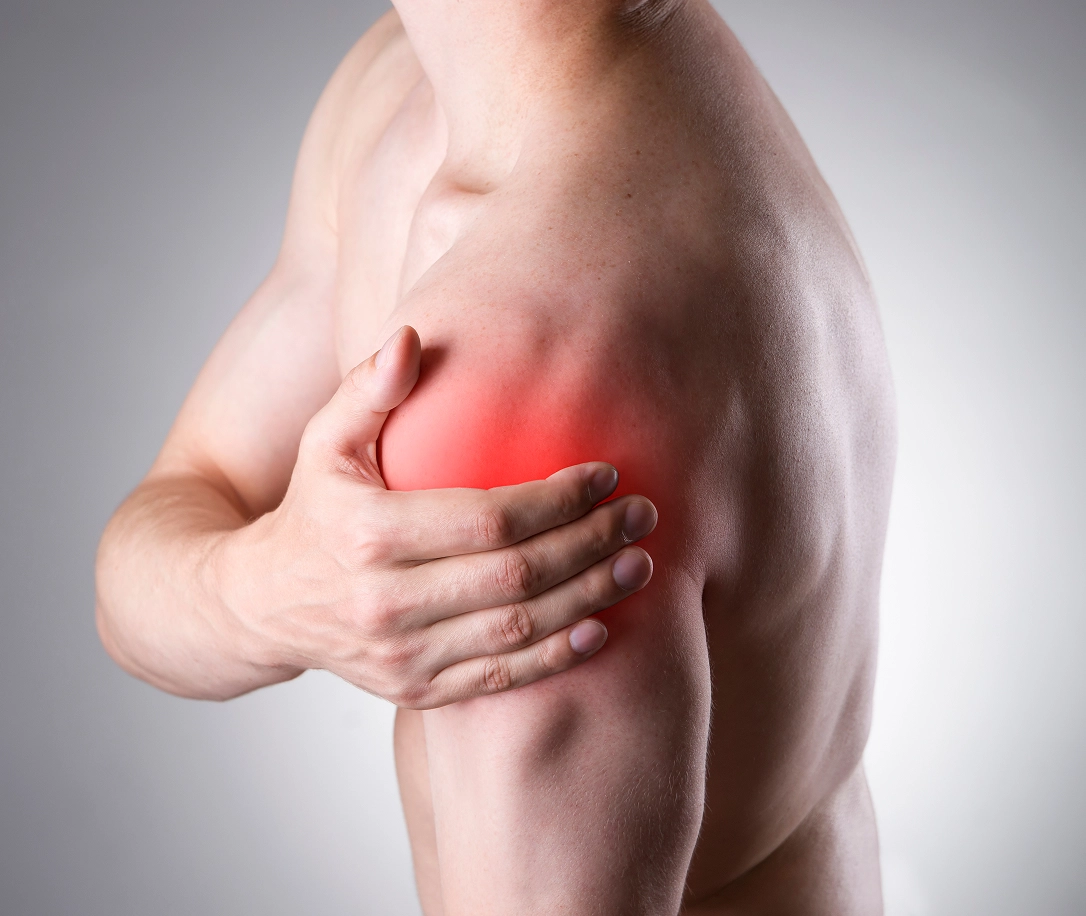
Shoulder arthritis can make reaching overhead, behind your back, or across your body painful. Many people notice deep aching, stiffness, and pain that disrupts sleep. Long-standing rotator cuff tears can also lead to a specific type of shoulder arthritis.
Orthopedic Treatment Options at Every Stage
Arthritis treatment is tailored to your symptoms, the joint involved, and how much the condition affects your daily life.
Nonsurgical care. Many patients find relief with splints or braces that support painful joints, activity changes, hand or physical therapy to maintain motion and strength, anti-inflammatory medications when appropriate, and corticosteroid injections to calm inflammation. These options can control symptoms for years in many cases.
Surgical care. When pain and stiffness persist despite conservative treatment, surgery may help. Options depend on the joint and include:
- Basal thumb joint surgery, which removes or reshapes the worn joint to relieve pain at the base of the thumb
- Joint fusion, which permanently joins the bones of a painful joint to eliminate motion that causes pain, often used in the fingers or wrist
- Joint replacement, which replaces damaged joint surfaces with artificial components to relieve pain while preserving motion, available for the elbow and shoulder
- Debridement, which removes bone spurs and damaged tissue to improve motion
Dr. Sollaccio reviews the benefits, risks, and expected recovery of each option so you can choose the approach that best fits your goals.
Protecting Your Joints & Knowing When to Get Help
Small changes can reduce strain on arthritic joints: use tools with larger grips, try jar openers and lever-style door handles, carry bags on your forearm instead of with your fingers, take breaks during repetitive tasks, and apply heat or ice as recommended.
Schedule a visit with an orthopedic specialist if joint pain lasts more than a few weeks, wakes you at night, limits everyday tasks, or comes with visible swelling, deformity, or loss of motion. Early evaluation gives you more options and helps preserve function.
Book an Appointment With a Pearland Orthopedic Surgeon
Dr. David R. Sollaccio helps patients manage arthritis in the hand, wrist, elbow, and shoulder with personalized treatment plans designed to relieve pain and keep them doing what they love. Contact our office or book an appointment online to get started!