Sugar Land Orthopedic Surgery: Sports & Activity Injuries of the Hand, Elbow & Shoulder
Whether it’s a weekly tennis match, a round of golf, pickleball with friends, a workout at the gym, or a pickup baseball game, staying active is a big part of life for many families. But sports and exercise also put the hands, wrists, elbows, and shoulders under repeated stress, and a single fall or awkward catch can lead to an injury that keeps you on the sidelines.
This guide covers the most common sports and activity injuries of the upper extremity, the warning signs that need prompt attention, and how to get back to the activities you love safely. It’s written for Sugar Land residents looking for an orthopedic surgeon who specializes in the hand and upper extremity: Dr. David R. Sollaccio.
Orthopedic Care for an Active Community
With its parks, trails, golf courses, and busy sports leagues, Sugar Land is home to athletes of every age and level, from weekend warriors to competitive players. Dr. Sollaccio focuses on the hand and upper extremity, with advanced skills in ligament, tendon, and fracture care. He works with patients to create treatment plans built around their sport, goals, and lifestyle.
Types of Overuse Sports Injuries
Many sports injuries don’t come from a single moment but from repeating the same motion again and again.
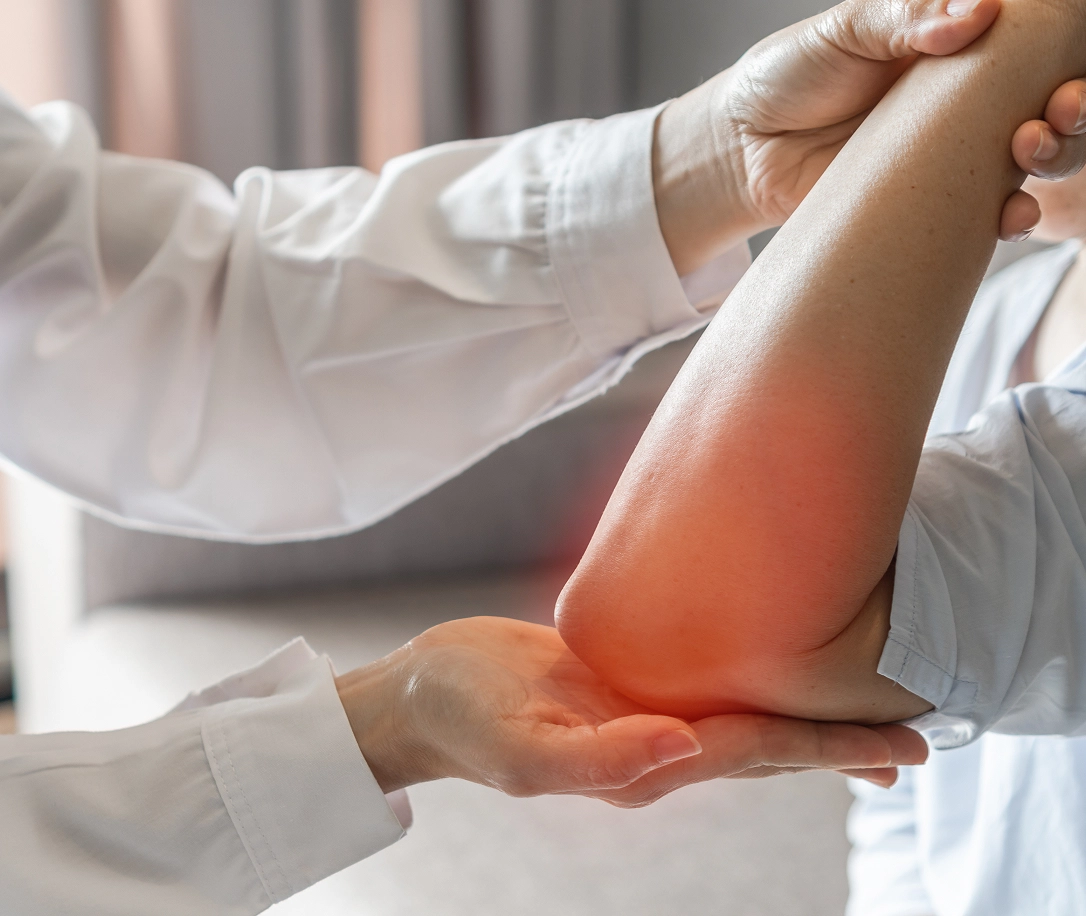
Tennis elbow. Despite the name, tennis elbow, or lateral epicondylitis, affects pickleball players, golfers, and anyone who grips and swings repeatedly. It causes pain on the outside of the elbow that worsens when gripping a racket, shaking hands, or lifting a coffee cup.
Golfer’s elbow. Medial epicondylitis causes pain on the inside of the elbow and forearm. It’s common in golfers, throwers, and people who lift weights, and it can make gripping and wrist flexion painful.
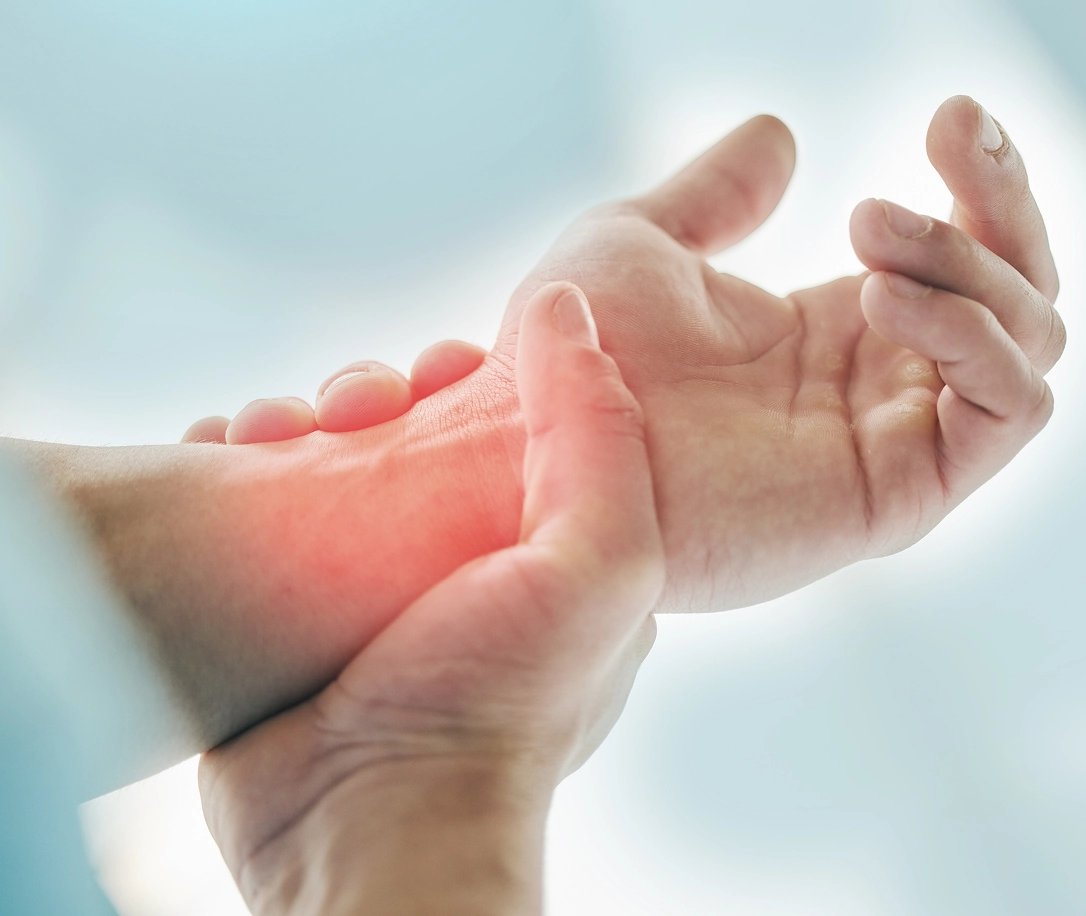
Wrist and forearm tendinitis. Rowing, weightlifting, racquet sports, and even cycling can irritate the tendons around the wrist, causing pain, swelling, and sometimes a creaking sensation with movement.
The rapid growth of pickleball has brought a rise in these overuse injuries, particularly among adults who are new to the sport or playing more often than their bodies are used to.
Throwing & Lifting Injuries
Elbow ligament injuries. Repetitive throwing places heavy stress on the ulnar collateral ligament on the inside of the elbow. Baseball and softball players may notice inner elbow pain, reduced throwing speed or accuracy, and sometimes a pop at the time of injury. Many cases improve with rest and rehabilitation, while complete tears in high-level throwers may require ligament repair or reconstruction.
Distal biceps tendon tears. Lifting something heavy with the elbow bent, such as a piece of furniture or a heavy weight, can tear the biceps tendon from its attachment near the elbow. Patients often feel a pop followed by pain, bruising, a change in the shape of the upper arm, and weakness when turning the palm up. These injuries should be evaluated quickly, since surgical repair is often most effective when done soon after the injury.
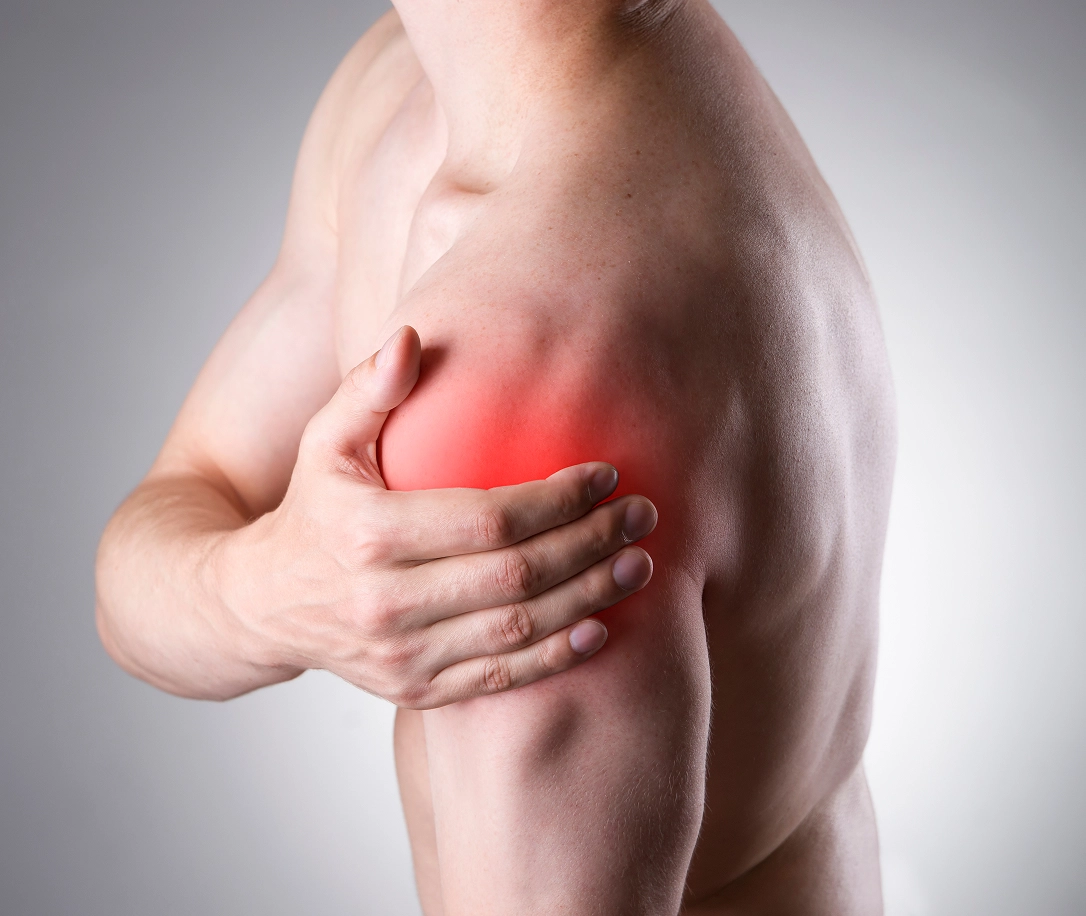
Rotator cuff injuries. Overhead sports, weightlifting, and falls can strain or tear the rotator cuff tendons that stabilize the shoulder. Symptoms include pain when reaching overhead, weakness, and pain that disrupts sleep.
Acute Hand & Wrist Injuries
Falls, collisions, and catching a ball the wrong way can cause hand and wrist injuries that are easy to underestimate.
Wrist fractures. Falling onto an outstretched hand is one of the most common ways to break the wrist. The scaphoid, a small bone on the thumb side of the wrist, deserves special attention: these fractures may not show up on initial X-rays and can be mistaken for a sprain. Pain in the hollow at the base of the thumb after a fall should be evaluated, since untreated scaphoid fractures can heal poorly.
Mallet finger. When a ball strikes the tip of the finger, it can injure the tendon that straightens the fingertip, leaving it drooping. Most cases are treated with a splint worn continuously for several weeks.
Jersey finger. Grabbing an opponent’s jersey can tear the tendon that bends the fingertip, most often in the ring finger. This injury typically needs prompt surgical repair.
Skier’s thumb and finger dislocations. Falls with a pole or ball can injure the ligament on the inside of the thumb, weakening pinch and grip. Jammed or dislocated fingers should be checked to make sure the joint is aligned and stable.
Getting Back in the Game With Specialized Orthopedic Care
Treatment built around your goals. Many sports injuries respond well to rest, bracing or splinting, therapy, activity modification, and sometimes injections. When a tendon or ligament is torn or a fracture is unstable, surgery may offer the best chance of restoring strength and stability. Dr. Sollaccio explains each option and how it fits your sport and timeline.
Returning safely. Going back too soon is one of the most common causes of reinjury. A gradual return guided by your surgeon and therapist helps rebuild strength, motion, and confidence before you resume full activity.
Prevention tips. Warm up before playing, increase training intensity gradually, use proper technique and well-fitted equipment, strengthen your forearm and shoulder muscles, and take pain seriously rather than playing through it.
When to seek care. See a specialist for pain that lasts more than a couple of weeks, swelling, weakness, or loss of motion. Seek prompt care for a visible deformity, a finger you can’t straighten or bend, a pop followed by weakness, or numbness after an injury.
Meet With a Sugar Land Orthopedic Surgeon
If a sports or activity injury is keeping you from playing, training, or simply enjoying your routine, Dr. David R. Sollaccio can help you recover and return with confidence. Give our office a call or schedule your appointment online to start the path to a pain-free life!