Pasadena Orthopedic Surgery: Understanding Hand, Wrist, Elbow & Shoulder Fractures
A slip on a wet floor, a fall from a ladder, a tumble during a game, or a fall off a bike can happen in an instant. When you reach out to catch yourself, your hand, wrist, elbow, or shoulder often takes the impact, and that can mean a broken bone.
Fractures of the upper extremity are among the most common orthopedic injuries, and getting the right care early can make a big difference in how well you heal. This guide explains how to tell whether a bone may be broken, the fractures we see most often, how treatment decisions are made, and what recovery looks like. It’s written for residents of Pasadena, Texas, looking for an orthopedic surgeon who specializes in the hand and upper extremity: Dr. David R. Sollaccio.
Personalized Sprain & Fracture Care in Pasadena, TX
Dr. Sollaccio trained at the University of Miami Miller School of Medicine, the University of Florida College of Medicine, and the USC Keck School of Medicine. He has advanced skills in fracture care and focuses on restoring strength, motion, and function from the shoulder to the fingertips.
How Do You Know if a Bone Is Broken or Sprained?
Fractures and sprains can look and feel similar, and some fractures are easy to miss. Signs that a bone may be broken include:
- Pain that’s sharp and focused in one spot, especially when pressing on the bone
- Swelling and bruising that develop quickly
- A visible bump, bend, or change in shape
- Difficulty moving the hand, wrist, elbow, or shoulder
- A finger that looks rotated or overlaps its neighbor when you make a fist
- A snap or grinding sensation at the time of injury
The only way to know for sure is an exam and imaging. Don’t assume an injury is “just a sprain” if pain and swelling don’t improve within a few days.
Until you’re seen: Remove rings and bracelets before swelling sets in, keep the arm still with a makeshift splint or sling, apply ice wrapped in a cloth, and keep the injured area elevated.
Go to the emergency room or call 911 for a bone that has broken through the skin, a limb that’s badly deformed, heavy bleeding, or fingers that are numb, pale, blue, or cold.
Common Types of Upper Extremity Fractures
Wrist fractures. A break of the radius near the wrist is one of the most common fractures in adults, usually caused by falling onto an outstretched hand. It’s especially common in older adults and in younger people during sports or high-energy falls.
Scaphoid fractures. The scaphoid is a small bone on the thumb side of the wrist. Fractures here often cause only mild pain and may not appear on initial X-rays, so they can be mistaken for a sprain. Because the scaphoid has a limited blood supply, a missed fracture can heal poorly.
Hand and finger fractures. Breaks in the long bones of the hand often happen from punching a hard object or a direct blow, while finger fractures commonly occur in ball sports, falls, and accidents involving doors or tools. Some finger fractures extend into a joint, which can affect future motion.
Elbow fractures. Falls can break the radial head near the elbow, the bony tip of the elbow, or the lower end of the upper arm bone. Elbow fractures often cause pain and difficulty bending, straightening, or rotating the forearm.
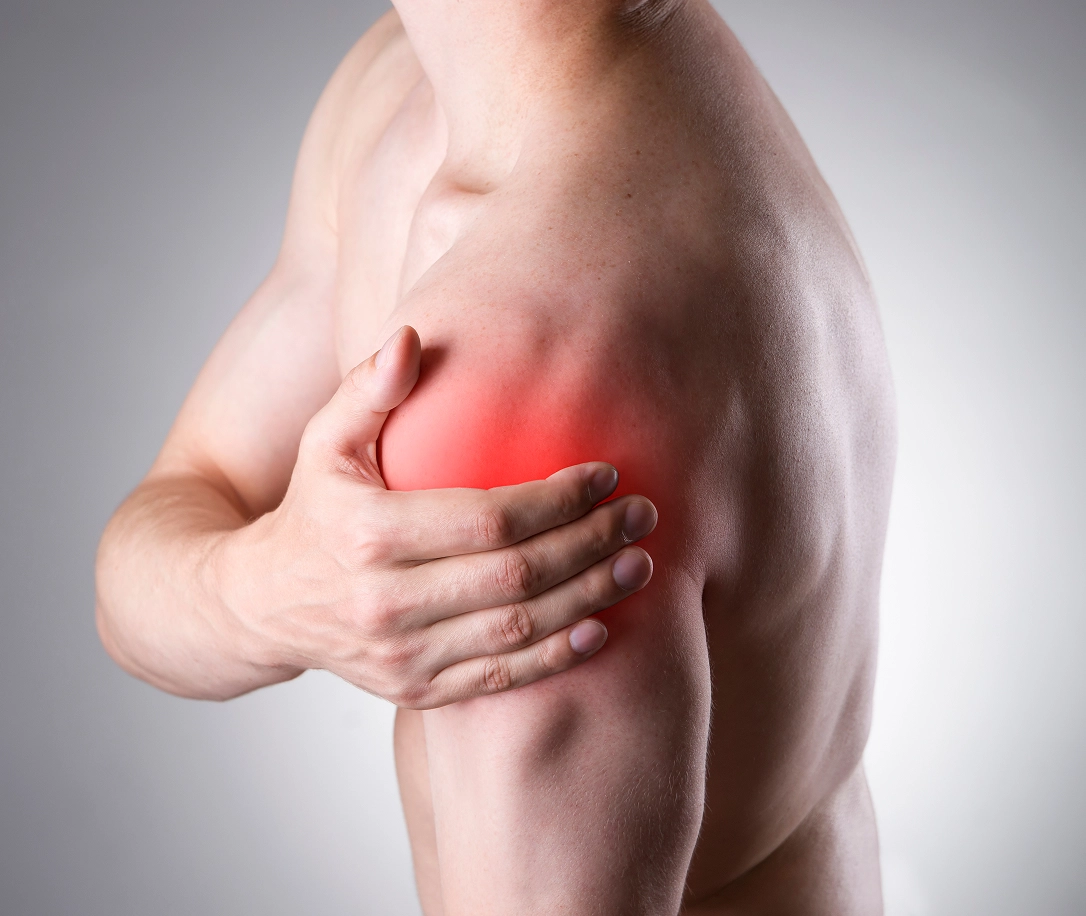
Shoulder fractures. Breaks in the upper arm bone near the shoulder are common after falls in older adults and can make lifting the arm painful or difficult.
Do You Need a Cast or Surgery? How Treatment Is Decided
Many fractures heal well with a cast, splint, or brace. Others need surgery to put the bones back in place and hold them there while they heal. Dr. Sollaccio considers several factors when recommending treatment:
- Alignment. Whether the broken pieces are still lined up or have shifted out of place
- Stability. Whether the bones are likely to stay in position in a cast
- Joint involvement. Whether the break extends into a joint surface, which can affect future motion and arthritis risk
- Your hand dominance, activities, and goals. The demands of your work, hobbies, and daily life
- Overall health and bone quality
When surgery is recommended, plates, screws, pins, or wires are used to hold the bones in proper alignment. Surgical fixation can sometimes allow earlier movement, which may help reduce stiffness. Dr. Sollaccio explains the benefits and risks of each approach so you can decide together.
Healing, Recovery Time & Bone Health
How long healing takes. Many hand and wrist fractures heal in roughly six to eight weeks, though timelines vary based on the bone, the type of fracture, and your overall health. Follow-up X-rays help confirm the bone is healing in the right position.
Preventing stiffness. The hand, wrist, and elbow tend to stiffen when kept still. Moving the joints your surgeon says are safe to move, keeping the arm elevated to control swelling, and starting hand or physical therapy when recommended all help restore motion and strength.
Habits that support healing. Smoking and nicotine use can slow bone healing, so quitting or cutting back can make a meaningful difference. Eating a balanced diet with enough protein, calcium, and vitamin D also supports recovery.
A wrist fracture can be a warning sign. For adults over 50, a fracture from a simple fall may be an early sign of osteoporosis. Talk with your doctor about whether bone density testing is right for you, since treating weak bones can help prevent future fractures.
Schedule a Visit With a Pasadena Orthopedic Surgeon
If you think you’ve broken a bone in your hand, wrist, elbow, or shoulder, or you have an injury that isn’t healing as expected, Dr. David R. Sollaccio can help. Call or book an appointment online and we’ll see you as soon as possible.